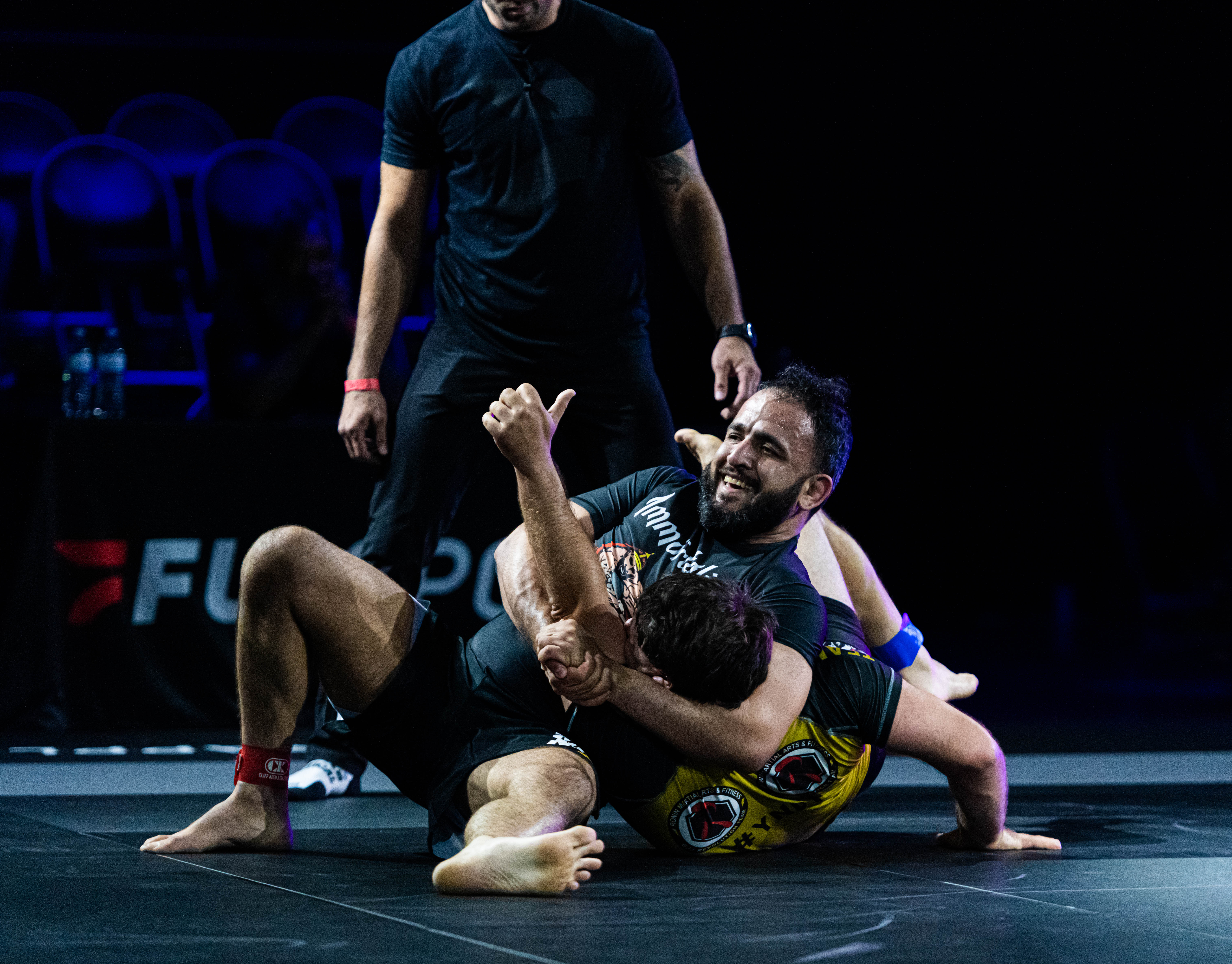
A landmark study published Monday by the National Grappling Research Institute has confirmed what pressure passers have screamed into the void for a decade: the berimbolo finishes exactly 3.1% of the time in competition.
Researchers tracked 4,800 berimbolo attempts across major gi tournaments, no-gi invitationals, and regional events between 2024 and 2026. The results were, depending on your guard preference, either devastating or completely irrelevant.
Of the 4,800 attempts, 149 resulted in a submission. Another 1,056 led to what the study generously classified as an “advantageous position” — meaning the berimbolo player ended up somewhere vaguely behind their opponent before getting shucked off like a wet towel. The remaining 3,595 attempts returned both athletes to a neutral position, typically after 45 seconds of upside-down leg entanglement that the referee also did not understand.
“We expected the data to be sobering,” said lead researcher Dr. Sarah Inokuma, a sports psychologist at the Institute. “What we did not expect was the complete psychological immunity of berimbolo practitioners to the data itself.”
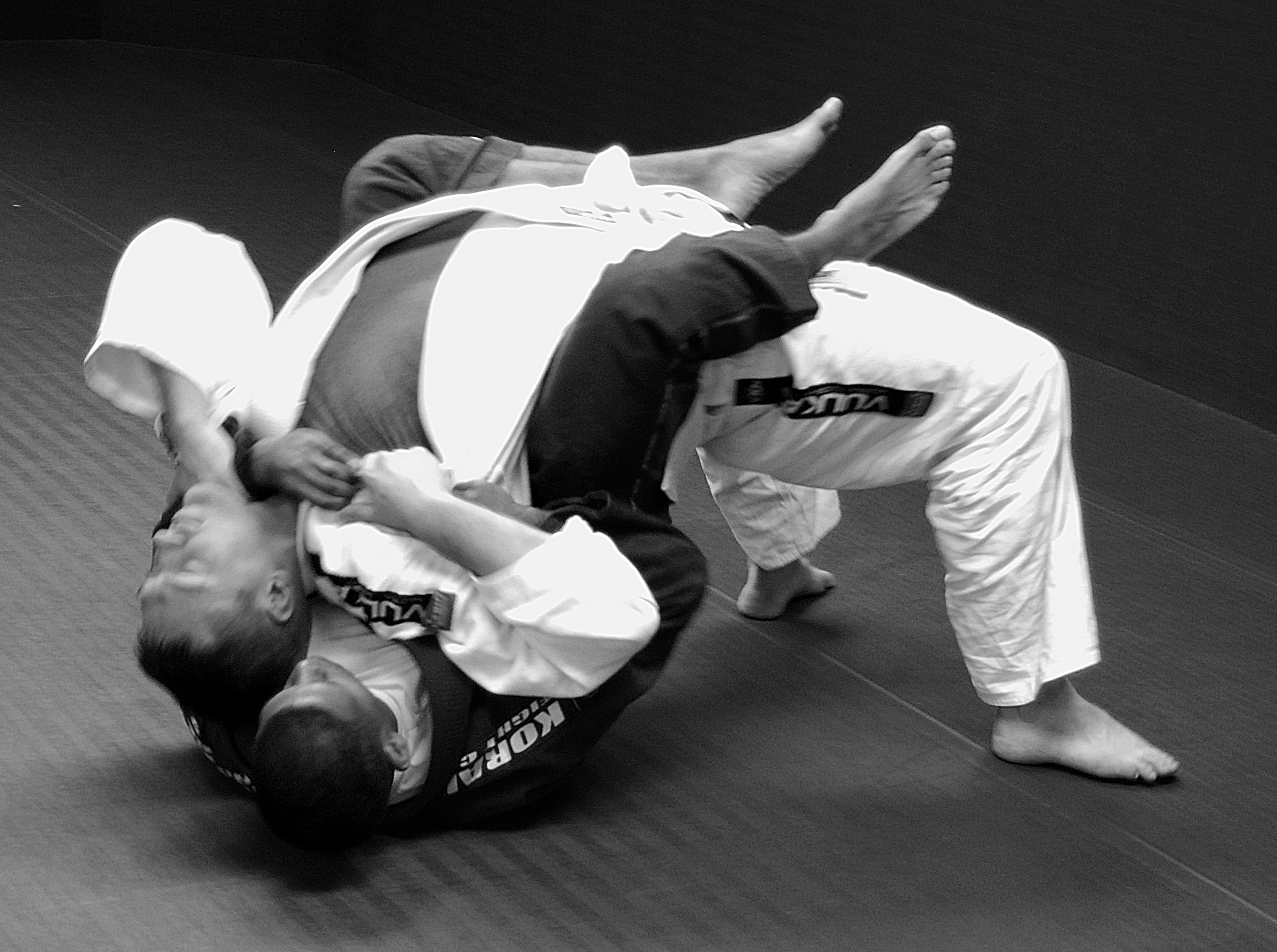
In a follow-up survey of 312 self-identified “berimbolo players,” every single one — 100% — described the technique as either “the future of jiu-jitsu” or “the highest-percentage path to the back.” When confronted with the 3.1% figure, responses included “that’s competition though,” “you have to see my berimbolo,” and a 40-minute Instagram DM voice note.
Ninety-one percent of respondents reported that their berimbolo “works in training.” Dr. Inokuma noted this is consistent with existing research on training partner politeness, in which partners who know exactly what’s coming choose social harmony over positional dominance.
“Your training partners let you berimbolo them for the same reason your mom said your painting was good,” Dr. Inokuma said. “Love.”
The study also found a strong correlation between berimbolo commitment and Instagram highlight reel length. Athletes who attempted the berimbolo more than 15 times per tournament had an average of 47 saved story highlights, compared to 3 for pressure passers, whose highlights were just a picture of their dog.
Perhaps the most striking finding was the “Miyao Threshold” — the point at which a practitioner has drilled the berimbolo so many times that abandoning it would require confronting years of sunk cost. Researchers placed this threshold at approximately 400 hours of inverted guard work, after which the practitioner’s identity becomes inseparable from the technique.
“Once you cross the Miyao Threshold, the berimbolo isn’t a move anymore,” Dr. Inokuma explained. “It’s a personality. You don’t do berimbolos. You ARE berimbolo.”
When asked if the study would change anything about their approach, surveyed athletes were unanimous: absolutely not.
One purple belt from San Diego, who has not finished a berimbolo in competition since 2024, put it best: “The data doesn’t account for the fact that my berimbolo is different.”
The NGRI plans to publish a follow-up study on leg lock practitioners who describe their heel hook entries as ‘scientific’ despite tapping to knee slides at every local tournament.