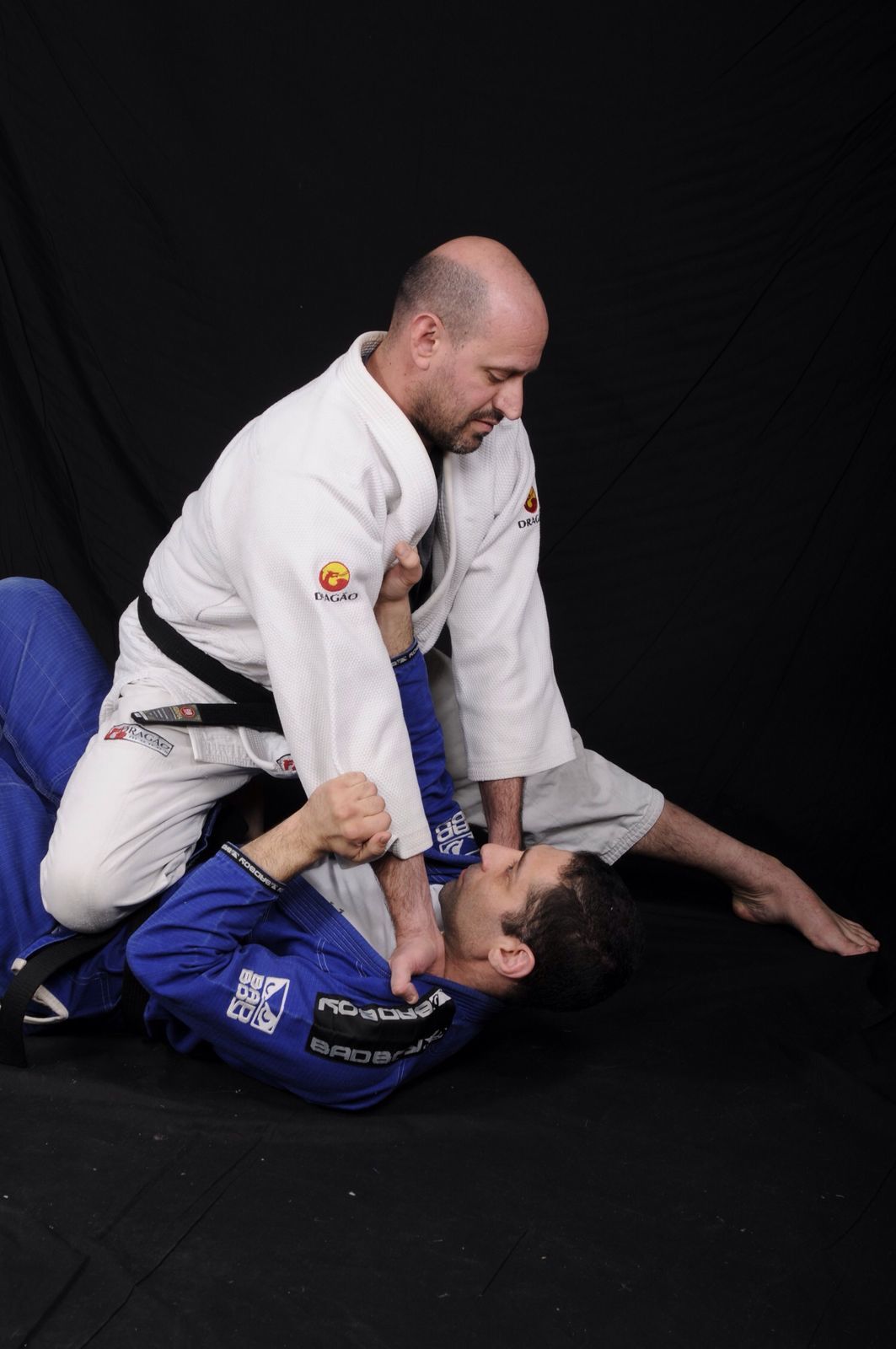
A three-year longitudinal study published Monday by the National Grappling Research Institute has confirmed what many practitioners quietly suspected: coaches who adopted ecological dynamics methodology submit 87% fewer training partners than their traditionally-trained counterparts and have not personally demonstrated a technique on camera since late 2023.
The study, led by Dr. Vanessa Okafor out of the NGRI’s Motor Behavior Lab in Portland, tracked 340 practitioners across 12 affiliated gyms from January 2023 through December 2025. Half the gyms transitioned to ecological dynamics-based curricula during that period. The other half kept doing jiu-jitsu.
“We initially thought the data was corrupted,” Dr. Okafor said. “It was not.”
Among the study’s findings: practitioners in the ecological dynamics cohort spent 340% more on seminars annually ($4,280 vs. $970 for the control group), used the phrase “movement literacy” an average of 11.3 times per training session, and rated their own grappling comprehension as “profound” at nearly three times the rate of the control group. Their submission rate per roll, however, dropped from 0.74 to 0.09 over the study period.
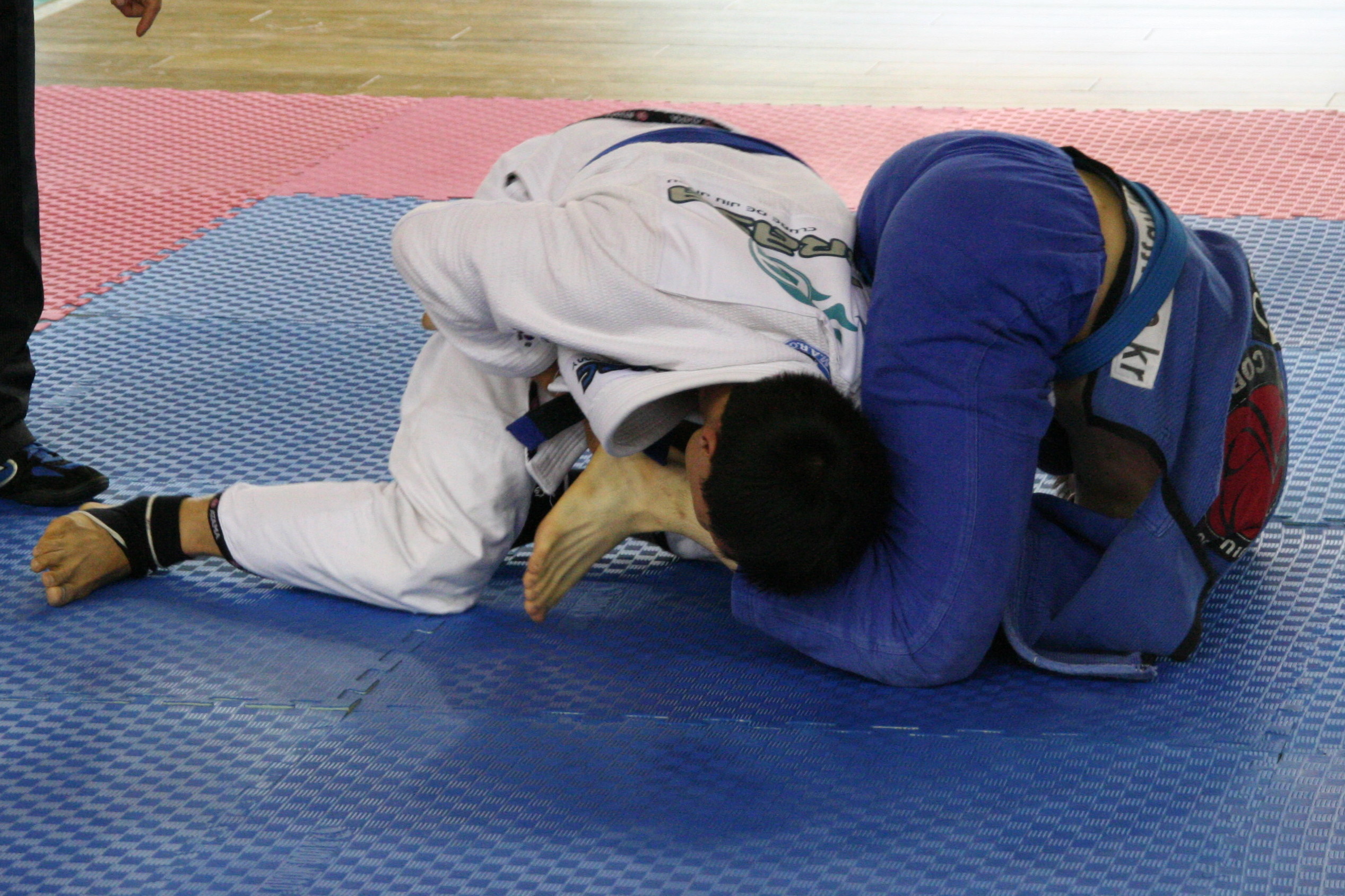
The control group’s submission rate held steady at 0.71. Their seminar attendance was described as “essentially zero.”
Dr. Okafor noted that the highest-grossing ecological dynamics seminar in the dataset — a two-day, $475-per-head event at Verdant Flow Academy in Bend, Oregon — featured a rubber duck balanced on a pool noodle as what the instructor called a “constraint manipulation prop.” Attendees were asked to pass guard around the duck without displacing it. None succeeded. The instructor called this “exactly the point.”
“The duck represents the unpredictability of a resisting opponent,” the seminar description read. “By failing to interact with it meaningfully, practitioners develop a richer internal model of spatial negotiation.”
Six participants in the eco cohort earned their purple belts during the study. When tested on basic submissions, two could not demonstrate a standard armbar. One attempted what he described as “a contextually emergent upper-limb isolation” that researchers classified as “holding the arm and looking confused.”
The study also found that eco-dynamics instructors spent an average of 22 minutes per class explaining the theoretical framework behind the day’s training and four minutes on actual mat time. Traditional instructors averaged three minutes of talking and 47 minutes of training. When asked to comment on the disparity, one eco instructor said the comparison was “reductive” and that “time on the mat is a colonial metric.”
Perhaps the study’s most damning data point: positional sparring — the core pedagogical tool that ecological dynamics rebranded and marked up — has existed in jiu-jitsu since before any of the study’s participants were born. The NGRI confirmed that 11 of the 12 control-group gyms already used positional sparring regularly. They just called it “positional sparring” and charged $0 extra for it.
The full paper, titled “Constraint-Led Approaches to Grappling Pedagogy: A Longitudinal Analysis of Submission Rates, Seminar Expenditure, and Self-Reported Profundity,” is available on the NGRI website. The PDF costs $89, which Dr. Okafor acknowledged was “ironic but not lost on us.”